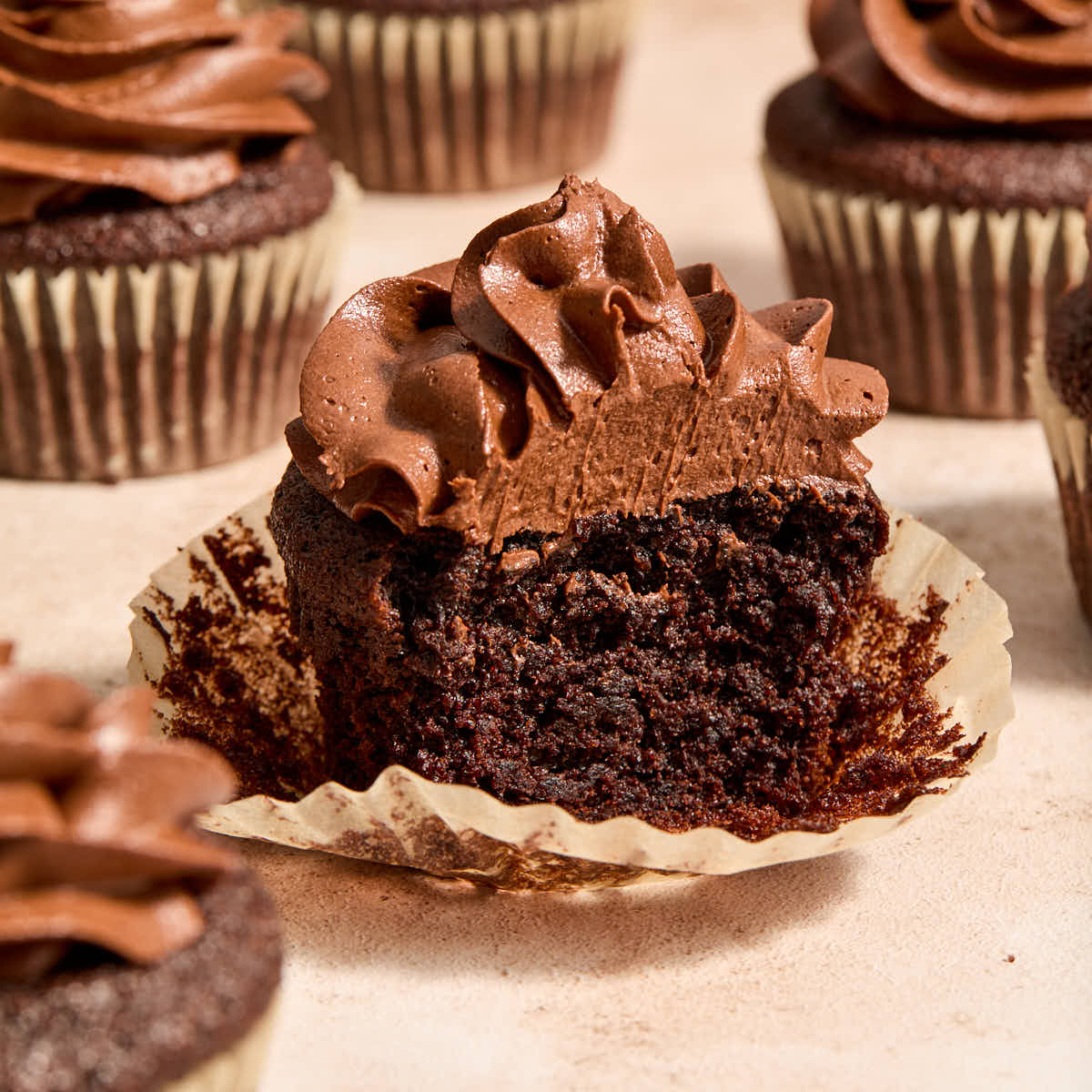
No More Dense Bakes: The Secret to Fluffy Chocolate Almond Flour Cupcakes
Are you tired of gluten-free baking resulting in treats that are more akin to delicious, albeit heavy, bricks than light, airy delights? Especially when it comes to fluffy gluten-free chocolate almond flour cupcakes, achieving that perfect, tender crumb can feel like a baker's elusive dream. Almond flour, while a fantastic gluten-free alternative, often presents unique challenges due to its natural oils and lack of gluten structure, leading to dense or crumbly results.
But what if we told you that the secret to transforming your chocolate almond flour cupcakes from merely good to absolutely heavenly – light, moist, and bursting with rich chocolate flavor – is simpler than you think? This comprehensive guide will unlock the professional techniques and ingredient insights that guarantee a consistently fluffy texture every single time. Prepare to banish dense bakes from your kitchen for good and embrace a new era of truly spectacular chocolate almond flour cupcakes!
The Aeration Advantage: Whipped Egg Whites & Strategic Baking
The primary hurdle with almond flour is its inherent density. Unlike wheat flour, which contains gluten that develops into a stretchy network to trap air and provide structure, almond flour relies on other mechanisms for lift. This is where the magic of whipped egg whites comes into play.
- The Power of Whipped Egg Whites: This isn't just a simple mix-in; it's a game-changer. By separating your egg whites and whipping them with sugar until they form stiff, glossy peaks, you incorporate a significant amount of air into your batter. This meringue-like structure acts as a natural leavening agent, creating thousands of tiny air pockets that lighten the crumb. When folded gently into the chocolate almond flour cupcake batter, these aerated whites counteract the flour's natural heaviness, ensuring a remarkably fluffy and tender texture. It's a technique that has proven successful in other beloved almond flour recipes, celebrated for their unexpected lightness.
- Temperature Control for Optimal Rise and Structure: Baking temperature is another critical, yet often overlooked, factor. Simply adjusting ingredient amounts isn't enough; the oven environment plays a crucial role in how your cupcakes rise and set.
- Initial High Heat: Starting your cupcakes in a hotter oven (similar to how some muffins are baked) provides an initial "thermal shock." This high temperature rapidly activates leavening agents and causes the exterior of the cupcake to set quickly, forcing the batter to rise dramatically and achieve a beautiful loft. This quick burst of heat creates a strong framework for your cupcakes.
- Reduced Temperature for Stabilization: After this initial burst, the oven temperature is then reduced. This slight extension of baking time at a lower temperature is vital. It allows the interior of the cupcakes to bake through more evenly, giving moisture more time to evaporate and solidifying the internal structure. This two-stage baking process prevents the common problem of cupcakes rising beautifully only to fall and collapse upon cooling, ensuring they maintain their lofty, fluffy shape.
Mastering the Ingredients: Crafting Your Perfect Chocolate Almond Flour Cupcakes
While the egg white technique and temperature control are paramount, the quality and choice of your ingredients also significantly impact the final texture and flavor of your chocolate almond flour cupcakes.
- Choosing the Right Almond Flour: Not all almond flours are created equal for baking. For the lightest, most tender crumb in your chocolate almond flour cupcakes, finely blanched almond flour is your best friend. Blanched means the skins have been removed before grinding, resulting in a lighter color and a finer, more uniform texture. This fine grind also helps prevent a gritty mouthfeel and contributes to better aeration. You can find it readily in most grocery stores, buy it in bulk, or even freeze it to extend its shelf life.
- The Role of Eggs (Beyond the Whites): Almond flour, lacking gluten, relies heavily on eggs for structure and binding. You might notice that almond flour recipes often call for more eggs than traditional wheat flour recipes, and for good reason! The yolks contribute richness and moisture, while the whole eggs, combined with the whipped whites, provide the necessary framework to hold everything together, preventing a crumbly texture.
- Cocoa Powder: More Than Just Flavor: In chocolate almond flour cupcakes, cocoa powder isn't just there for its delicious, deep flavor. It also plays a practical role in texture. Cocoa powder is naturally absorbent, helping to soak up some of the excess moisture from the almond flour's oils. This absorption further aids in preventing a dense, heavy result and complements the aerating effect of the whipped egg whites.
- Sweeteners and Moisture Balance: Many successful almond flour recipes, especially those aiming for a naturally sweetened profile, utilize ingredients like maple syrup. While these add wonderful flavor, it's crucial to understand their impact on moisture. The precise ratio of wet to dry ingredients in almond flour baking is critical. The natural fats in almond flour mean less added oil might be needed, and careful measurement of liquid sweeteners prevents an overly moist (and thus dense) batter.
- Dairy-Free and Grain-Free Modifications: These recipes are inherently gluten-free, but they are also easily adaptable for dairy-free and grain-free lifestyles. Opt for plant-based milks (almond milk, oat milk, or soy milk) and use coconut oil or a neutral-flavored vegetable oil instead of butter. These simple swaps allow everyone to enjoy these delightful treats without compromising on flavor or texture.
Beyond the Basics: Advanced Tips for Perfect Chocolate Almond Flour Cupcakes
Once you’ve mastered the core techniques and ingredient selection, a few extra tips can elevate your chocolate almond flour cupcakes from great to truly exceptional.
- Room Temperature Ingredients: Ensure your eggs and any dairy ingredients (if using) are at room temperature. This allows them to emulsify more effectively, creating a smoother, more uniform batter and contributing to a better rise.
- Don't Overmix: After incorporating the wet and dry ingredients, and especially after folding in the whipped egg whites, mix only until just combined. Overmixing can deflate the air pockets created by the egg whites, leading to a denser cupcake.
- Lining and Greasing: Even with non-stick muffin tins, using paper liners is highly recommended for easy removal and a clean presentation. If you prefer not to use liners, ensure your muffin tin is thoroughly greased and floured (using a bit of almond flour) to prevent sticking, which can be a common issue with naturally moist almond flour bakes.
- Cooling Protocol: Resist the urge to immediately remove your delicate chocolate almond flour cupcakes from the pan. Allow them to cool in the muffin tin for at least 10-15 minutes. This allows their structure to set properly and makes them much easier to remove without breaking. Then, transfer them to a wire rack to cool completely before frosting. This prevents condensation from building up, which can make the bottoms soggy.
- The Perfect Topping: No cupcake is complete without frosting! For almond flour chocolate cupcakes, consider a rich almond buttercream. A hint of almond extract in a classic buttercream can beautifully complement the almond flour base. For a dairy-free option, coconut cream-based frostings or avocado chocolate frosting can be surprisingly delicious and light, maintaining the overall health-conscious profile of the cupcakes.
Conclusion: Your Journey to Fluffy Perfection Starts Now
Achieving truly fluffy and moist chocolate almond flour cupcakes is not just a dream; it's an attainable reality when you understand the science behind this unique flour. By embracing the simple, yet powerful, techniques of whipping egg whites separately for aeration and strategically adjusting your oven temperature for optimal rise and stability, you can overcome the common challenges of gluten-free baking. Combine these methods with careful ingredient selection and a few pro tips, and you'll consistently bake cupcakes with a tender crumb and a flavor that rivals any traditional bakery treat. So, grab your whisk, preheat your oven, and prepare to delight your taste buds with the best chocolate almond flour cupcakes you've ever experienced!
